Buy lüttich.be ?
We are moving the project
lüttich.be .
Are you interested in purchasing the domain
lüttich.be ?
domain@kv-gmbh.de · 0541-91531010
Buy lüttich.be ?
Who eats potatoes?
Potatoes are a staple food in many cultures around the world and are consumed by people of all ages. They are a versatile ingredient and can be prepared in a variety of ways, such as mashed, fried, boiled, or baked. Potatoes are enjoyed by individuals from diverse backgrounds and are a popular choice for meals and snacks in many cuisines. **
Is there a culture that eats or has eaten large game meat?
Yes, there are several cultures around the world that have traditionally hunted and eaten large game meat. For example, in North America, indigenous tribes such as the Inuit have historically hunted and consumed large game such as caribou, moose, and bison. In Africa, various tribes have a long history of hunting and eating large game like elephants, giraffes, and antelopes. Additionally, in parts of Asia, cultures such as the Mongolian and Kazakh nomads have traditionally hunted and eaten large game like wild sheep, goats, and camels. These cultures have developed specific hunting and butchering techniques, as well as culinary traditions for preparing and consuming large game meat. **


Similar search terms for Eats
Top-Angebote
Products related to Eats:
-
AM.PM Art mural en papier embossé, HelnHeln célèbre l’art du papier embossé, une technique artisanale qui donne vie aux formes en créant du relief. Ici, le motif répétitif touche à l’abstraction et laisse libre cours à l’imagination.Ses irrégularités et ses bords déchirés sont les témoins de la main de l’artisan. Son cadre - une caisse américaine - ajoute de la profondeur à la création. Description • Art mural réalisé en papier reliéfé embossé • Fabrication artisanale, chaque pièce est unique • Boîte américaine en pin peint en blanc • Dos en MDF • Platines pour fixation murale (vis et chevilles non fournies) Dimensions • Largeur : 70 cm • Hauteur : 90 cm • Épaisseur : 5,4 cm • BOIS ISSU DE FORÊTS GÉRÉES PLUS DURABLEMENT. Le bois certifié FSC® est issu de forêts bien gérées sur le plan environnemental, social et économique. Dimensions et poids des colis 1 colis • L98 x H8 x P79 cm, 6,5 kg111,30 €*Shipping: 3,99 €Secure redirect to the provider
-
AM.PM Art mural en verre sérigraphié, SerisHommage à l’art optique. Ce tableau est composé d’une trame graphique imprimée sur verre qui vient se superposer sur des aplats de couleur imprimés sur papier.La rencontre de ces lignes et formes géométriques crée une nouvelle gamme chromatique et donne de la profondeur au motif. Une composition vivante : sous l’effet du déplacement du regard et de la source lumineuse, se dessinent de nouvelles variations colorées. Description • Cadre en pin peint en blanc • Plaque en verre sérigraphié • Dos en MDF • Attaches pour fixation murale (vis et chevilles non fournies) Dimensions • Largeur : 50 cm • Hauteur : 50 cm • Épaisseur : 3 cm • BOIS ISSU DE FORÊTS GÉRÉES PLUS DURABLEMENT. Le bois certifié FSC® est issu de forêts bien gérées sur le plan environnemental, social et économique. Dimensions et poids des colis 1 colis • L58 x H6 x P58 cm, 3 kg60,03 €*Shipping: 3,99 €Secure redirect to the provider



-
Who eats tadpole bread?
Tadpole bread is not actually made from tadpoles, despite its name. It is a type of bread that is popular in Japan and is typically enjoyed by people of all ages. The bread is usually filled with sweet red bean paste or custard, making it a delicious treat for anyone looking for a sweet snack. **
-
Which animal eats ranunculus?
Ranunculus plants are toxic to most animals due to the presence of toxic compounds like protoanemonin. However, there are a few animals that have developed a tolerance to these toxins and can eat ranunculus without any harm. One such animal is the caterpillar of the brimstone moth (Opisthograptis luteolata), which feeds on the leaves of ranunculus plants. **
-
Who eats the caterpillar?
The caterpillar is typically eaten by birds, reptiles, and some insects. Birds such as sparrows, robins, and warblers are known to feed on caterpillars. Reptiles like lizards and frogs also consume caterpillars as part of their diet. In addition, some insects like beetles and wasps are natural predators of caterpillars. **
-
Who eats neon fish?
Neon fish are commonly eaten by larger predatory fish, such as cichlids, angelfish, and bettas. Additionally, some species of birds and mammals may also feed on neon fish in their natural habitat. **

Which animal eats buttercups?
Buttercups are toxic to most animals due to the presence of a compound called ranunculin. However, there are a few animals that have developed a tolerance to this toxin and can eat buttercups without any ill effects. One such animal is the caterpillar of the buttercup moth (Gnophaela vermiculata), which feeds exclusively on buttercups during its larval stage. **
Who eats the ticks?
There are several animals that eat ticks, including birds like guinea fowl, chickens, and wild turkeys. In addition, some mammals such as opossums, armadillos, and certain species of lizards also consume ticks. These animals help control tick populations in their habitats, which can help reduce the spread of tick-borne diseases like Lyme disease. **
Top-Angebote
Products related to Eats:
-
HOFF Baskets Art BlueDétails produit • Usage sportswear • Talon plat • Fermeture : A lacets Composition et Entretien • Dessus/Tige : 95% cuir, 5% autres matériaux • Doublure : 100% polyester • Semelle intérieure : 80% textile, 20% eva • Semelle extérieure : 80% eva, 20% caoutchouc140,00 €*Shipping: 3,99 €Secure redirect to the provider
-
Who eats potatoes?
Potatoes are a staple food in many cultures around the world and are consumed by people of all ages. They are a versatile ingredient and can be prepared in a variety of ways, such as mashed, fried, boiled, or baked. Potatoes are enjoyed by individuals from diverse backgrounds and are a popular choice for meals and snacks in many cuisines. **
-
Is there a culture that eats or has eaten large game meat?
Yes, there are several cultures around the world that have traditionally hunted and eaten large game meat. For example, in North America, indigenous tribes such as the Inuit have historically hunted and consumed large game such as caribou, moose, and bison. In Africa, various tribes have a long history of hunting and eating large game like elephants, giraffes, and antelopes. Additionally, in parts of Asia, cultures such as the Mongolian and Kazakh nomads have traditionally hunted and eaten large game like wild sheep, goats, and camels. These cultures have developed specific hunting and butchering techniques, as well as culinary traditions for preparing and consuming large game meat. **
-
Who eats tadpole bread?
Tadpole bread is not actually made from tadpoles, despite its name. It is a type of bread that is popular in Japan and is typically enjoyed by people of all ages. The bread is usually filled with sweet red bean paste or custard, making it a delicious treat for anyone looking for a sweet snack. **
-
Which animal eats ranunculus?
Ranunculus plants are toxic to most animals due to the presence of toxic compounds like protoanemonin. However, there are a few animals that have developed a tolerance to these toxins and can eat ranunculus without any harm. One such animal is the caterpillar of the brimstone moth (Opisthograptis luteolata), which feeds on the leaves of ranunculus plants. **
Similar search terms for Eats
-
AM.PM Art mural en papier embossé, HelnHeln célèbre l’art du papier embossé, une technique artisanale qui donne vie aux formes en créant du relief. Ici, le motif répétitif touche à l’abstraction et laisse libre cours à l’imagination.Ses irrégularités et ses bords déchirés sont les témoins de la main de l’artisan. Son cadre - une caisse américaine - ajoute de la profondeur à la création. Description • Art mural réalisé en papier reliéfé embossé • Fabrication artisanale, chaque pièce est unique • Boîte américaine en pin peint en blanc • Dos en MDF • Platines pour fixation murale (vis et chevilles non fournies) Dimensions • Largeur : 70 cm • Hauteur : 90 cm • Épaisseur : 5,4 cm • BOIS ISSU DE FORÊTS GÉRÉES PLUS DURABLEMENT. Le bois certifié FSC® est issu de forêts bien gérées sur le plan environnemental, social et économique. Dimensions et poids des colis 1 colis • L98 x H8 x P79 cm, 6,5 kg111,30 €*Shipping: 3,99 €Secure redirect to the provider
-
AM.PM Art mural en verre sérigraphié, SerisHommage à l’art optique. Ce tableau est composé d’une trame graphique imprimée sur verre qui vient se superposer sur des aplats de couleur imprimés sur papier.La rencontre de ces lignes et formes géométriques crée une nouvelle gamme chromatique et donne de la profondeur au motif. Une composition vivante : sous l’effet du déplacement du regard et de la source lumineuse, se dessinent de nouvelles variations colorées. Description • Cadre en pin peint en blanc • Plaque en verre sérigraphié • Dos en MDF • Attaches pour fixation murale (vis et chevilles non fournies) Dimensions • Largeur : 50 cm • Hauteur : 50 cm • Épaisseur : 3 cm • BOIS ISSU DE FORÊTS GÉRÉES PLUS DURABLEMENT. Le bois certifié FSC® est issu de forêts bien gérées sur le plan environnemental, social et économique. Dimensions et poids des colis 1 colis • L58 x H6 x P58 cm, 3 kg60,03 €*Shipping: 3,99 €Secure redirect to the provider
-
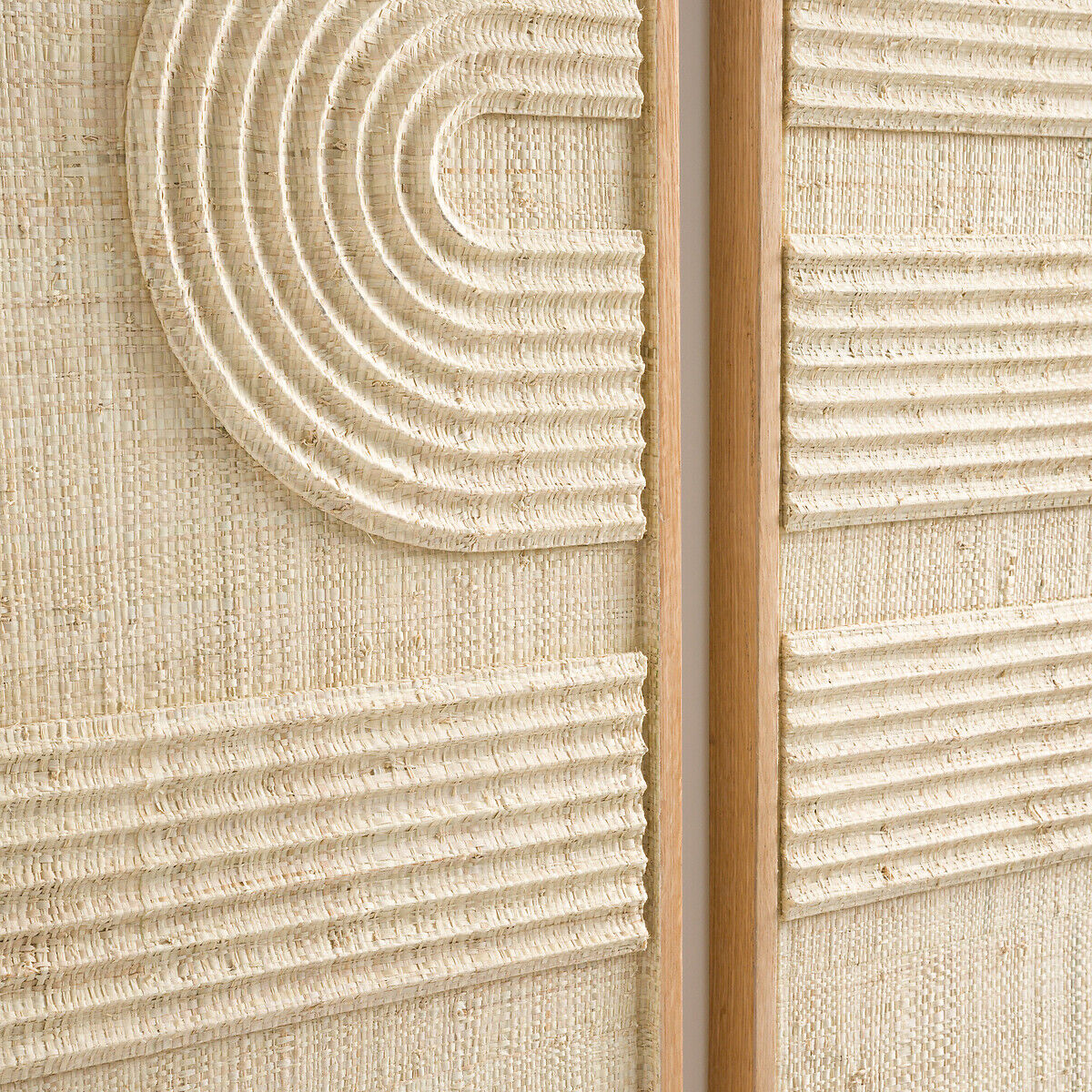
AM.PM Art mural en duo, palmier tissé, TelagaUne création contemporaine au motif abstrait et en relief. Les décorations murales Telaga présentent un motif linéaire qui se prolonge d'une toile à l'autre. Les deux tableaux sont fabriqués en feuilles de palmier tissées à la main et appliquées sur un panneau sculpté. Le tissage d’inspiration ethnique fait de chaque diptyque, des pièces uniques. Description • Feuilles de palmier tissées • Tressage artisanal fait à la main. Chaque pièce est unique • Support en MDF sculpté • Cadre en pin • Barre de fixation (vis et chevilles non fournies) • Fixation murale horizontale ou verticale Dimensions • Largeur : 60 cm • Hauteur : 120 cm • Épaisseur : 4 cm Dimensions et poids des colis 1 colis • L133 x H21 x P72 cm, 20 kg479,20 €*Shipping: 9,99 €Secure redirect to the provider
-
Who eats the caterpillar?
The caterpillar is typically eaten by birds, reptiles, and some insects. Birds such as sparrows, robins, and warblers are known to feed on caterpillars. Reptiles like lizards and frogs also consume caterpillars as part of their diet. In addition, some insects like beetles and wasps are natural predators of caterpillars. **
-
Who eats neon fish?
Neon fish are commonly eaten by larger predatory fish, such as cichlids, angelfish, and bettas. Additionally, some species of birds and mammals may also feed on neon fish in their natural habitat. **
-
Which animal eats buttercups?
Buttercups are toxic to most animals due to the presence of a compound called ranunculin. However, there are a few animals that have developed a tolerance to this toxin and can eat buttercups without any ill effects. One such animal is the caterpillar of the buttercup moth (Gnophaela vermiculata), which feeds exclusively on buttercups during its larval stage. **
-
Who eats the ticks?
There are several animals that eat ticks, including birds like guinea fowl, chickens, and wild turkeys. In addition, some mammals such as opossums, armadillos, and certain species of lizards also consume ticks. These animals help control tick populations in their habitats, which can help reduce the spread of tick-borne diseases like Lyme disease. **
* All prices are inclusive of VAT and, if applicable, plus shipping costs. The offer information is based on the details provided by the respective shop and is updated through automated processes. Real-time updates do not occur, so deviations can occur in individual cases. ** Note: Parts of this content were created by AI.