Buy lüttich.be ?
We are moving the project
lüttich.be .
Are you interested in purchasing the domain
lüttich.be ?
domain@kv-gmbh.de · 0541-91531010
Buy lüttich.be ?
What is the policy regarding drugs at festivals?
The policy regarding drugs at festivals varies depending on the specific festival and its location. In general, most festivals have a zero-tolerance policy for illegal drugs and substances. Festival organizers often work closely with law enforcement and security to enforce this policy and ensure the safety of attendees. Some festivals may also provide harm reduction services, such as drug testing and medical support, to help reduce the risks associated with drug use. It's important for festival-goers to familiarize themselves with the specific drug policies of the festival they plan to attend and to prioritize their health and safety. **
What is the history of revisionist policy?
Revisionist policy refers to a shift in a country's foreign policy towards a more conciliatory and cooperative approach with its adversaries. The term originated in the context of Soviet foreign policy in the 1950s, when some Communist leaders sought to revise the aggressive and confrontational stance of Stalinism. This led to a more flexible and pragmatic approach to international relations, emphasizing peaceful coexistence and detente. The concept of revisionist policy has since been applied to other countries and contexts, reflecting a willingness to reevaluate and adapt foreign policy strategies in response to changing global dynamics. **


Similar search terms for Policy
Top-Angebote
Products related to Policy:
-
AM.PM Art mural en verre sérigraphié, SerisHommage à l’art optique. Ce tableau est composé d’une trame graphique imprimée sur verre qui vient se superposer sur des aplats de couleur imprimés sur papier.La rencontre de ces lignes et formes géométriques crée une nouvelle gamme chromatique et donne de la profondeur au motif. Une composition vivante : sous l’effet du déplacement du regard et de la source lumineuse, se dessinent de nouvelles variations colorées. Description • Cadre en pin peint en blanc • Plaque en verre sérigraphié • Dos en MDF • Attaches pour fixation murale (vis et chevilles non fournies) Dimensions • Largeur : 50 cm • Hauteur : 50 cm • Épaisseur : 3 cm • BOIS ISSU DE FORÊTS GÉRÉES PLUS DURABLEMENT. Le bois certifié FSC® est issu de forêts bien gérées sur le plan environnemental, social et économique. Dimensions et poids des colis 1 colis • L58 x H6 x P58 cm, 3 kg60,03 €*Shipping: 3,99 €Secure redirect to the provider
-
essence NAIL ART Accessoire pour manucure 1 pcsessence NAIL ART, 1 pcs, Limes à ongles et manucure pour femme, Élargissez vos possibilités et relookez vos ongles comme personne. Le produit essence NAIL ART vous aidera à réaliser des manucures dignes de pros à la maison. Il améliorera votre routine et complétera à merveille les outils ou les produits de beauté que vous utilisez déjà. Ce produit fera en sorte que vos ongles aient toujours une forme parfaite et une apparence soignée, et que vos mains soient votre plus belle carte de visite. Le produit : idéal pour des soins manucures parfaits dimensions optimales qui garantissent une manipulation aisée2,07 €*Shipping: 3,45 €Secure redirect to the provider
-
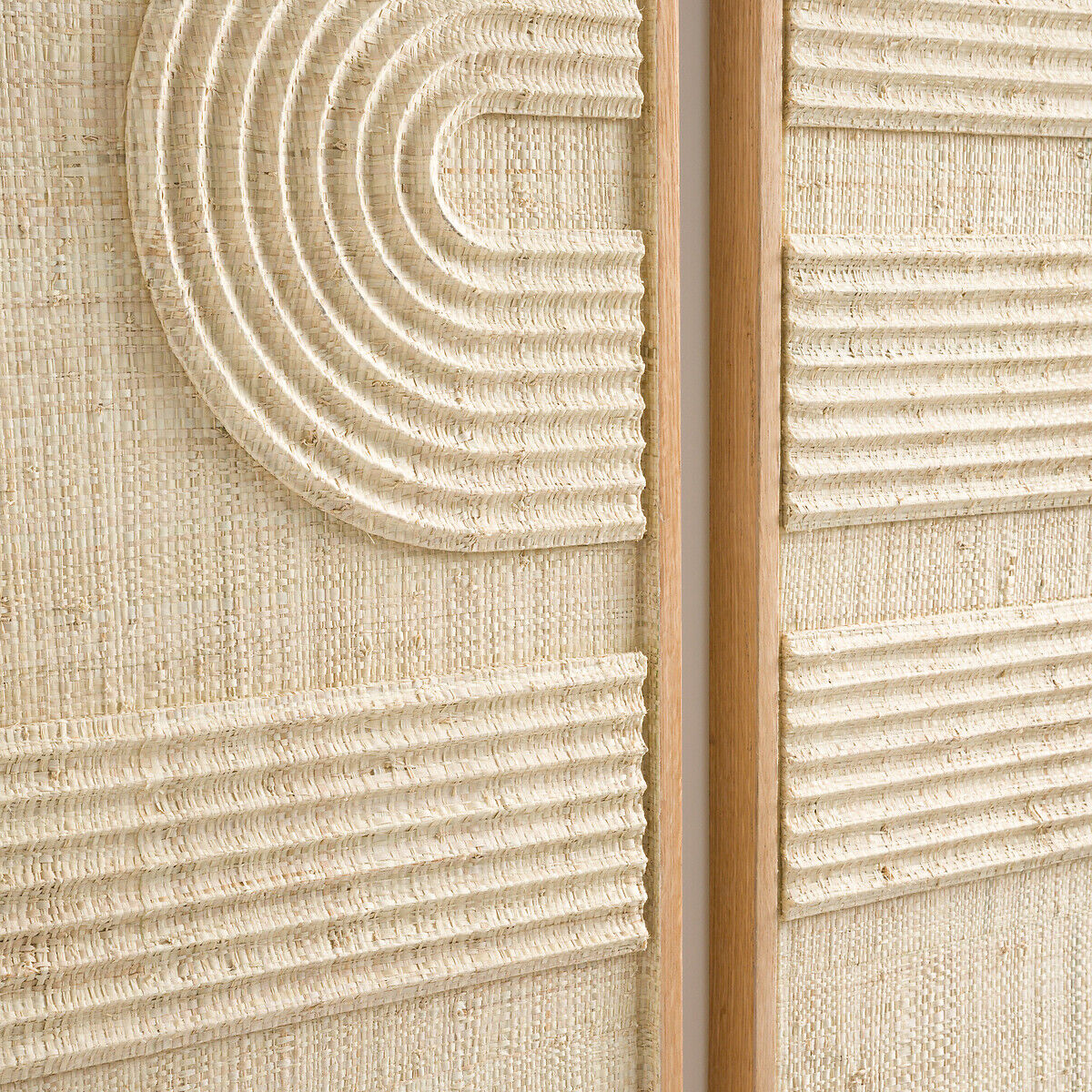
AM.PM Art mural en duo, palmier tissé, TelagaUne création contemporaine au motif abstrait et en relief. Les décorations murales Telaga présentent un motif linéaire qui se prolonge d'une toile à l'autre. Les deux tableaux sont fabriqués en feuilles de palmier tissées à la main et appliquées sur un panneau sculpté. Le tissage d’inspiration ethnique fait de chaque diptyque, des pièces uniques. Description • Feuilles de palmier tissées • Tressage artisanal fait à la main. Chaque pièce est unique • Support en MDF sculpté • Cadre en pin • Barre de fixation (vis et chevilles non fournies) • Fixation murale horizontale ou verticale Dimensions • Largeur : 60 cm • Hauteur : 120 cm • Épaisseur : 4 cm Dimensions et poids des colis 1 colis • L133 x H21 x P72 cm, 20 kg479,20 €*Shipping: 9,99 €Secure redirect to the provider



-
What is the difference between process policy, structural policy, and regulatory policy?
Process policy refers to the rules and procedures that govern how tasks are carried out within an organization. Structural policy pertains to the overall design and organization of an institution, including its hierarchy, reporting relationships, and division of responsibilities. Regulatory policy, on the other hand, involves the establishment and enforcement of rules and standards by a governing body to ensure compliance and protect the public interest. Each type of policy serves a distinct purpose in guiding behavior and decision-making within an organization or society. **
-
What is the difference between process policy, structural policy, and order policy?
Process policy refers to the rules and procedures that govern how decisions are made and implemented within an organization. Structural policy, on the other hand, pertains to the framework and organization of the institution, including its hierarchy, departments, and reporting structure. Order policy focuses on the sequence and prioritization of tasks and activities within the organization, ensuring that work is carried out efficiently and effectively. Each type of policy plays a crucial role in shaping the overall functioning and success of an organization. **
-
What is the history of the One-World Policy?
The One-World Policy is a concept that advocates for global cooperation and unity to address pressing global issues. It has its roots in the idea of a world government proposed by thinkers like Immanuel Kant in the 18th century. The term gained popularity in the 20th century with the rise of globalization and the need for international collaboration on issues like climate change, poverty, and security. While the concept has supporters who believe it could lead to a more peaceful and prosperous world, it also faces criticism and challenges due to concerns about sovereignty and power dynamics. **
-
What is the history of appeasement policy? Thank you.
The appeasement policy was a strategy employed by European powers in the 1930s, particularly by Britain and France, in response to the aggressive actions of Nazi Germany. The policy aimed to avoid conflict and maintain peace by giving in to some of Germany's demands, such as the annexation of Czechoslovakia's Sudetenland. The policy was based on the belief that by appeasing Hitler, further aggression could be prevented. However, this approach ultimately failed as it only emboldened Hitler and led to the outbreak of World War II. The policy of appeasement is now widely criticized for its role in allowing Nazi Germany to expand its power and influence. **

What is the difference between regional policy and cohesion policy?
Regional policy focuses on addressing economic disparities and promoting development within specific regions, while cohesion policy aims to reduce disparities and promote harmonious development across all regions within the European Union. Regional policy is more focused on specific geographic areas, while cohesion policy has a broader scope and aims to promote overall economic and social cohesion within the EU. Both policies work together to support sustainable development and reduce inequalities among regions. **
What is the difference between process policy and order policy?
Process policy refers to the set of rules and guidelines that dictate how a task or activity should be carried out within an organization. It focuses on the steps and procedures that need to be followed to achieve a specific outcome. On the other hand, order policy refers to the rules and regulations that govern the sequence or priority in which tasks or activities should be completed. It determines the hierarchy or ranking of tasks based on their importance or urgency. In essence, process policy deals with how tasks are done, while order policy deals with when tasks are done. **
Top-Angebote
Products related to Policy:
-
HOFF Baskets Art BlueDétails produit • Usage sportswear • Talon plat • Fermeture : A lacets Composition et Entretien • Dessus/Tige : 95% cuir, 5% autres matériaux • Doublure : 100% polyester • Semelle intérieure : 80% textile, 20% eva • Semelle extérieure : 80% eva, 20% caoutchouc140,00 €*Shipping: 3,99 €Secure redirect to the provider
-
AM.PM Art mural en papier embossé, HelnHeln célèbre l’art du papier embossé, une technique artisanale qui donne vie aux formes en créant du relief. Ici, le motif répétitif touche à l’abstraction et laisse libre cours à l’imagination.Ses irrégularités et ses bords déchirés sont les témoins de la main de l’artisan. Son cadre - une caisse américaine - ajoute de la profondeur à la création. Description • Art mural réalisé en papier reliéfé embossé • Fabrication artisanale, chaque pièce est unique • Boîte américaine en pin peint en blanc • Dos en MDF • Platines pour fixation murale (vis et chevilles non fournies) Dimensions • Largeur : 70 cm • Hauteur : 90 cm • Épaisseur : 5,4 cm • BOIS ISSU DE FORÊTS GÉRÉES PLUS DURABLEMENT. Le bois certifié FSC® est issu de forêts bien gérées sur le plan environnemental, social et économique. Dimensions et poids des colis 1 colis • L98 x H8 x P79 cm, 6,5 kg111,30 €*Shipping: 3,99 €Secure redirect to the provider
-
AM.PM Art mural en verre sérigraphié, SerisHommage à l’art optique. Ce tableau est composé d’une trame graphique imprimée sur verre qui vient se superposer sur des aplats de couleur imprimés sur papier.La rencontre de ces lignes et formes géométriques crée une nouvelle gamme chromatique et donne de la profondeur au motif. Une composition vivante : sous l’effet du déplacement du regard et de la source lumineuse, se dessinent de nouvelles variations colorées. Description • Cadre en pin peint en blanc • Plaque en verre sérigraphié • Dos en MDF • Attaches pour fixation murale (vis et chevilles non fournies) Dimensions • Largeur : 50 cm • Hauteur : 50 cm • Épaisseur : 3 cm • BOIS ISSU DE FORÊTS GÉRÉES PLUS DURABLEMENT. Le bois certifié FSC® est issu de forêts bien gérées sur le plan environnemental, social et économique. Dimensions et poids des colis 1 colis • L58 x H6 x P58 cm, 3 kg60,03 €*Shipping: 3,99 €Secure redirect to the provider
-
essence NAIL ART Accessoire pour manucure 1 pcsessence NAIL ART, 1 pcs, Limes à ongles et manucure pour femme, Élargissez vos possibilités et relookez vos ongles comme personne. Le produit essence NAIL ART vous aidera à réaliser des manucures dignes de pros à la maison. Il améliorera votre routine et complétera à merveille les outils ou les produits de beauté que vous utilisez déjà. Ce produit fera en sorte que vos ongles aient toujours une forme parfaite et une apparence soignée, et que vos mains soient votre plus belle carte de visite. Le produit : idéal pour des soins manucures parfaits dimensions optimales qui garantissent une manipulation aisée2,07 €*Shipping: 3,45 €Secure redirect to the provider
-
What is the policy regarding drugs at festivals?
The policy regarding drugs at festivals varies depending on the specific festival and its location. In general, most festivals have a zero-tolerance policy for illegal drugs and substances. Festival organizers often work closely with law enforcement and security to enforce this policy and ensure the safety of attendees. Some festivals may also provide harm reduction services, such as drug testing and medical support, to help reduce the risks associated with drug use. It's important for festival-goers to familiarize themselves with the specific drug policies of the festival they plan to attend and to prioritize their health and safety. **
-
What is the history of revisionist policy?
Revisionist policy refers to a shift in a country's foreign policy towards a more conciliatory and cooperative approach with its adversaries. The term originated in the context of Soviet foreign policy in the 1950s, when some Communist leaders sought to revise the aggressive and confrontational stance of Stalinism. This led to a more flexible and pragmatic approach to international relations, emphasizing peaceful coexistence and detente. The concept of revisionist policy has since been applied to other countries and contexts, reflecting a willingness to reevaluate and adapt foreign policy strategies in response to changing global dynamics. **
-
What is the difference between process policy, structural policy, and regulatory policy?
Process policy refers to the rules and procedures that govern how tasks are carried out within an organization. Structural policy pertains to the overall design and organization of an institution, including its hierarchy, reporting relationships, and division of responsibilities. Regulatory policy, on the other hand, involves the establishment and enforcement of rules and standards by a governing body to ensure compliance and protect the public interest. Each type of policy serves a distinct purpose in guiding behavior and decision-making within an organization or society. **
-
What is the difference between process policy, structural policy, and order policy?
Process policy refers to the rules and procedures that govern how decisions are made and implemented within an organization. Structural policy, on the other hand, pertains to the framework and organization of the institution, including its hierarchy, departments, and reporting structure. Order policy focuses on the sequence and prioritization of tasks and activities within the organization, ensuring that work is carried out efficiently and effectively. Each type of policy plays a crucial role in shaping the overall functioning and success of an organization. **
Similar search terms for Policy
-
AM.PM Art mural en duo, palmier tissé, TelagaUne création contemporaine au motif abstrait et en relief. Les décorations murales Telaga présentent un motif linéaire qui se prolonge d'une toile à l'autre. Les deux tableaux sont fabriqués en feuilles de palmier tissées à la main et appliquées sur un panneau sculpté. Le tissage d’inspiration ethnique fait de chaque diptyque, des pièces uniques. Description • Feuilles de palmier tissées • Tressage artisanal fait à la main. Chaque pièce est unique • Support en MDF sculpté • Cadre en pin • Barre de fixation (vis et chevilles non fournies) • Fixation murale horizontale ou verticale Dimensions • Largeur : 60 cm • Hauteur : 120 cm • Épaisseur : 4 cm Dimensions et poids des colis 1 colis • L133 x H21 x P72 cm, 20 kg479,20 €*Shipping: 9,99 €Secure redirect to the provider
-
essence BRUSH IT LIKE IT'S ART brow spoolie brosse sourcils 01 My Brow Game: A Piece Of Art 1 pcsessence BRUSH IT LIKE IT'S ART brow spoolie, 1 pcs, Accessoires sourcils pour femme, Rien n’encadre mieux le regard que des sourcils bien soignés et sculptés. Le produit essence BRUSH IT LIKE IT'S ART brow spoolie permettra de donner à vos sourcils la forme souhaitée en un rien de temps et de dompter les sourcils indisciplinés. En somme, il vous aidera à donner à vos sourcils la forme que vous souhaitez, mettant ainsi en valeur la beauté naturelle des traits de votre visage. Le produit : peigne et sculpte les sourcils soulève les sourcils favorise la forme naturelle des sourcils parfaite tenue en main Composition du produit : produit végétalien Mode d’emploi : Utilisez selon les besoins.2,70 €*Shipping: 3,45 €Secure redirect to the provider
-
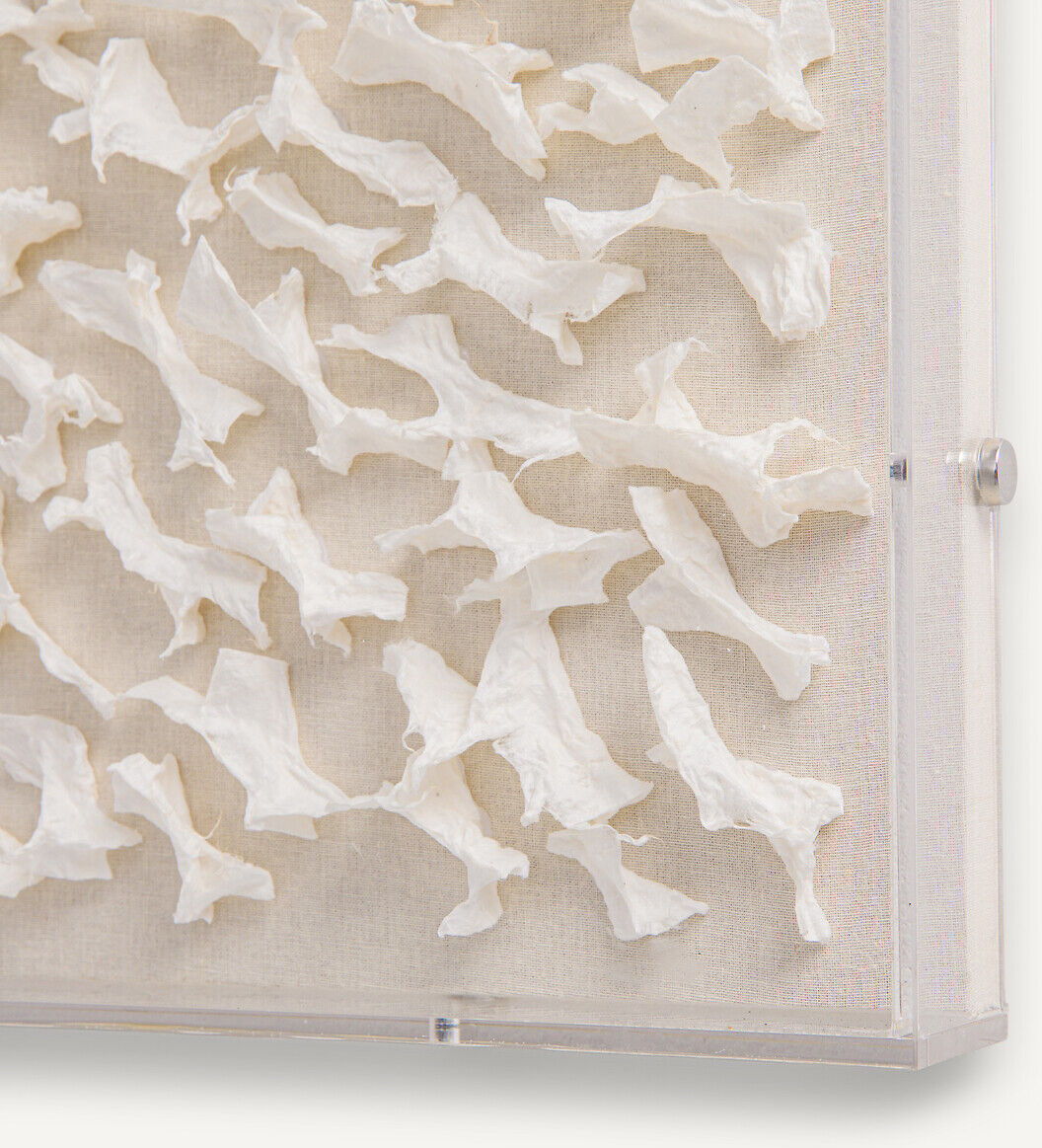
AM.PM Art mural en papier mâché sous plexiglass, SudjoLa décoration murale Sudjo, artisanale et organique, évoque un récif corallien. Cette composition en relief, de formes en papier mâché et acrylique, est réalisée à la main sur un fond en toile de lin. Chaque pièce est unique.Le tableau, placé dans une caisse américaine en plexiglass, peut être accroché verticalement ou horizontalement. Description • Formes en papier mâché et peinture acrylique • Fond en tissu 100% lin • Chaque pièce est unique • Encadrement caisse américaine en plexiglass • Dos feutrine • Barre de fixation (vis et chevilles non fournies) • Fixation murale horizontale ou verticale Dimensions • Largeur : 80 cm • Épaisseur : 5 cm • Hauteur : 80 cm • Ce produit est vendu monté. Dimensions et poids des colis 1 colis • L94 x H16 x P93 cm, 10,5 kg319,20 €*Shipping: 9,99 €Secure redirect to the provider
-
What is the history of the One-World Policy?
The One-World Policy is a concept that advocates for global cooperation and unity to address pressing global issues. It has its roots in the idea of a world government proposed by thinkers like Immanuel Kant in the 18th century. The term gained popularity in the 20th century with the rise of globalization and the need for international collaboration on issues like climate change, poverty, and security. While the concept has supporters who believe it could lead to a more peaceful and prosperous world, it also faces criticism and challenges due to concerns about sovereignty and power dynamics. **
-
What is the history of appeasement policy? Thank you.
The appeasement policy was a strategy employed by European powers in the 1930s, particularly by Britain and France, in response to the aggressive actions of Nazi Germany. The policy aimed to avoid conflict and maintain peace by giving in to some of Germany's demands, such as the annexation of Czechoslovakia's Sudetenland. The policy was based on the belief that by appeasing Hitler, further aggression could be prevented. However, this approach ultimately failed as it only emboldened Hitler and led to the outbreak of World War II. The policy of appeasement is now widely criticized for its role in allowing Nazi Germany to expand its power and influence. **
-
What is the difference between regional policy and cohesion policy?
Regional policy focuses on addressing economic disparities and promoting development within specific regions, while cohesion policy aims to reduce disparities and promote harmonious development across all regions within the European Union. Regional policy is more focused on specific geographic areas, while cohesion policy has a broader scope and aims to promote overall economic and social cohesion within the EU. Both policies work together to support sustainable development and reduce inequalities among regions. **
-
What is the difference between process policy and order policy?
Process policy refers to the set of rules and guidelines that dictate how a task or activity should be carried out within an organization. It focuses on the steps and procedures that need to be followed to achieve a specific outcome. On the other hand, order policy refers to the rules and regulations that govern the sequence or priority in which tasks or activities should be completed. It determines the hierarchy or ranking of tasks based on their importance or urgency. In essence, process policy deals with how tasks are done, while order policy deals with when tasks are done. **
* All prices are inclusive of VAT and, if applicable, plus shipping costs. The offer information is based on the details provided by the respective shop and is updated through automated processes. Real-time updates do not occur, so deviations can occur in individual cases. ** Note: Parts of this content were created by AI.